Wellness Knowledge
Wellness Information
Evidence-based insights to help you train smarter, move better, and understand your body.

Strength Training
How to Gain Muscle
How It Happens
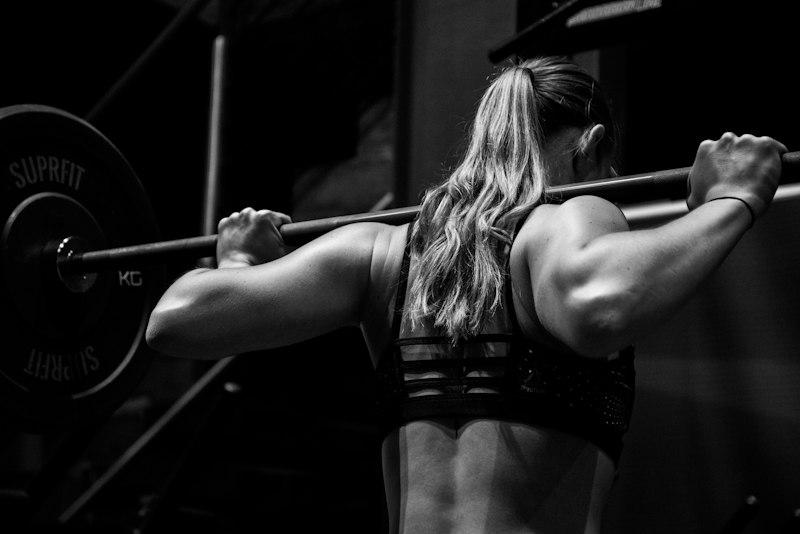
Muscle growth (hypertrophy) occurs when muscle fibers experience micro-tears during resistance training. Your body repairs these tears, making the fibers thicker and stronger. This process requires progressive overload, adequate protein intake, and proper recovery.
Benefits
Increased metabolic rate, improved strength, better posture, reduced risk of injury, enhanced bone density, and boosted confidence. Consistent strength training also supports long-term joint health and metabolic function.
Lower Body
Best Exercise to Improve Glutes
Top Exercises
Hip thrusts are widely regarded as the most effective exercise for glute development, directly targeting the gluteus maximus through full hip extension. Other great options include Bulgarian split squats, Romanian deadlifts, and cable kickbacks.
Benefits
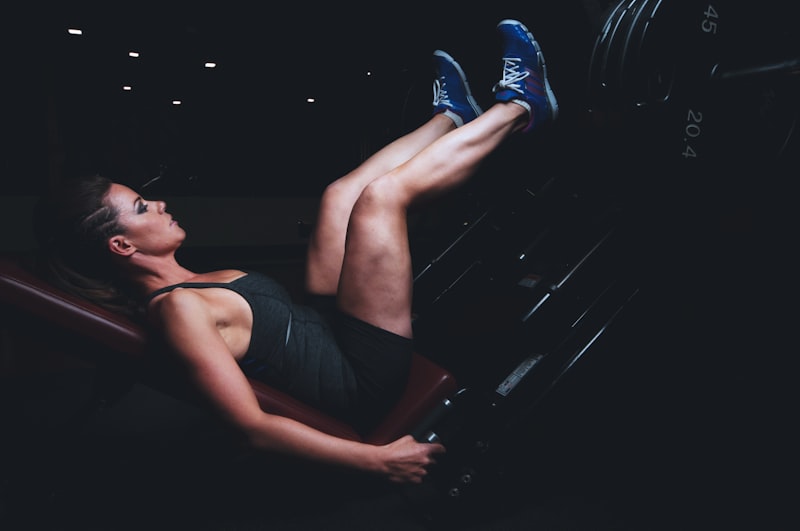
Improved athletic performance, better posture, reduced lower back pain, enhanced power for running and jumping, and a stronger, more stable lower body that supports everyday movement and compound lifts.
Lower Legs
Benefits of Training Your Calf
Why It Matters
Calf training strengthens the gastrocnemius and soleus muscles, which are essential for ankle stability, balance, and explosive movements like jumping and sprinting. These muscles work constantly to support your body weight.
Benefits
Improved ankle stability, better running and jumping performance, reduced risk of Achilles injuries, enhanced lower leg aesthetics, and a stronger foundation for compound lifts like squats and deadlifts.